What a two-week discovery sprint produces, and why we start every project with one
Before we quote a full project, we run two weeks of focused work. Here is what comes out of it and why it makes the rest cheaper.
Most hardware projects go wrong in the first month, not the last. The brief is vague, the budget is a guess, and everyone fills the gaps with assumptions. A discovery sprint exists to replace those assumptions with decisions before anyone starts drawing.
What it is
Two weeks, a small team, a fixed price of 10,000 euros. We work with the client's team, not for it. At the end there is a document that both sides can quote from, and a price for the phases that follow.
What comes out
A written problem statement. One page. Who the product is for, what it has to do, what it must not cost, and where it will be made. Most clients find this harder to agree on than they expected. That is the point.
A requirements list with owners. Not a wish list. Each requirement has a source (a standard, a user, a sales argument) and someone who can change it. Requirements without an owner are the ones that silently double the budget later.
A technical risk map. The three to five things that could make the project fail: a mechanism nobody has built at this size, a battery that needs certification, a surface finish that only two suppliers can do. For each one we say what we would test first and what it costs to find out.
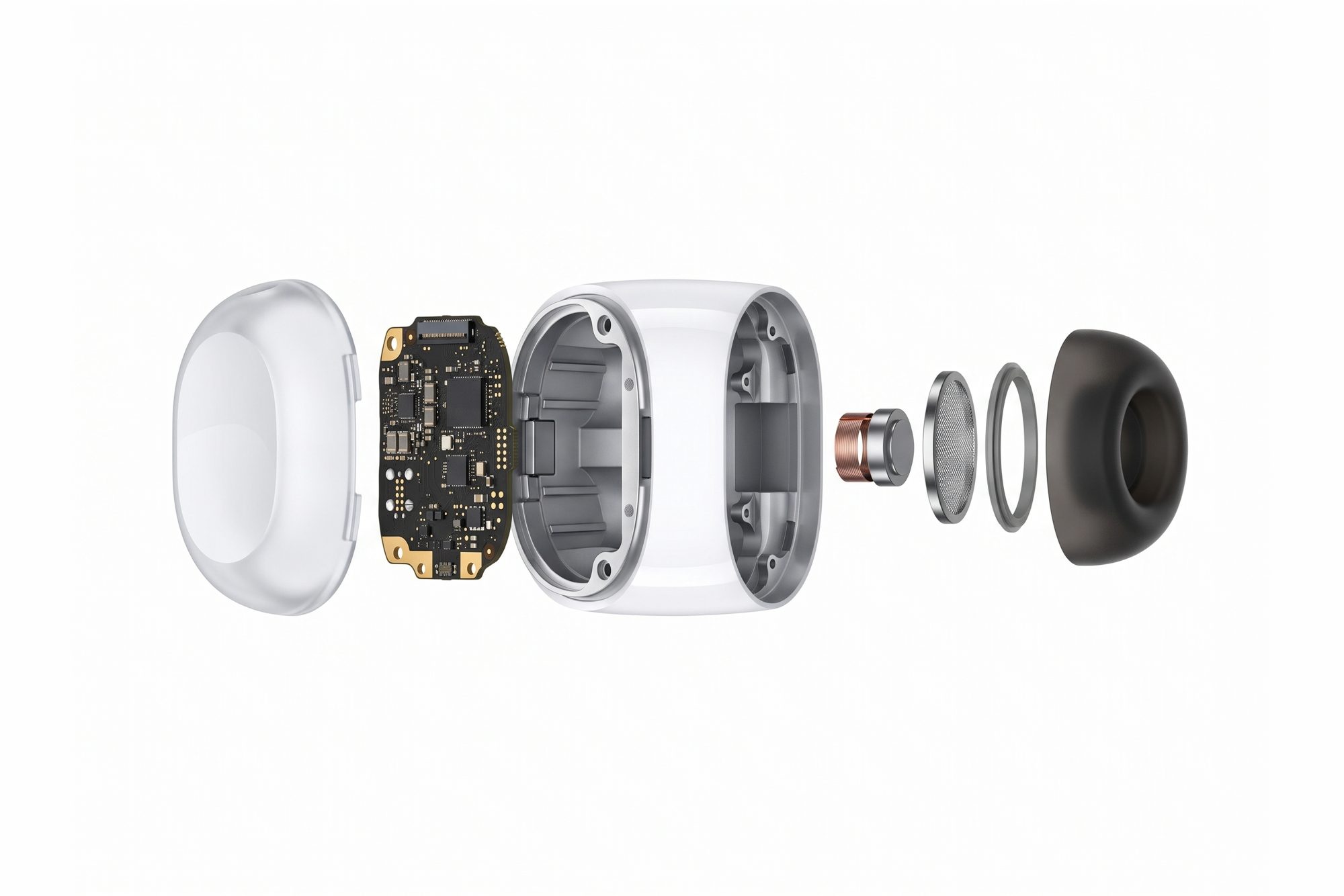
A product architecture sketch. Not styling. The main parts, how they split, where the electronics live, how it opens for assembly and service. This is what the engineering quote is based on.
A manufacturing hypothesis. Where the product is likely to be made, in what quantities, with which processes. It will change, but a hypothesis is enough to catch a design that only works at ten times the planned volume.
A phased proposal. Strategy, design, engineering, manufacturing support, each with a scoped budget and a review gate. The client can stop after any phase.
Why we insist on it
Three reasons.
First, it is the cheapest two weeks of the project. The decisions it forces would otherwise be made in month four, when changing them means redrawing parts.
Second, it tells both sides whether they want to work together. A sprint is a short, real collaboration. If the fit is wrong, everyone finds out before a six-month commitment.
Third, it makes the quote honest. A quote without discovery is a quote for the product we imagine. A quote after discovery is for the product the client needs.
What it is not
It is not a concept phase. There are sketches, but they exist to test the architecture, not to choose a look. It is not a feasibility study for the technology inside the product. If the sensor or the chemistry has not been proven, that work comes first, and usually from a specialist.
What it costs
A sprint is a fixed 10,000 euros with no strings attached. If the project continues with us, the sprint is where the proposal came from. If it does not, the client keeps the document and can take it to any studio.
That last sentence matters. A discovery sprint should be worth paying for on its own. If it is not, it was a sales meeting with a longer name.