
Design for repair: what it costs and what it is worth
Repairability is becoming a regulation in Europe and a selling point everywhere. What it changes in a design, what it adds to the unit cost, and where it pays back.
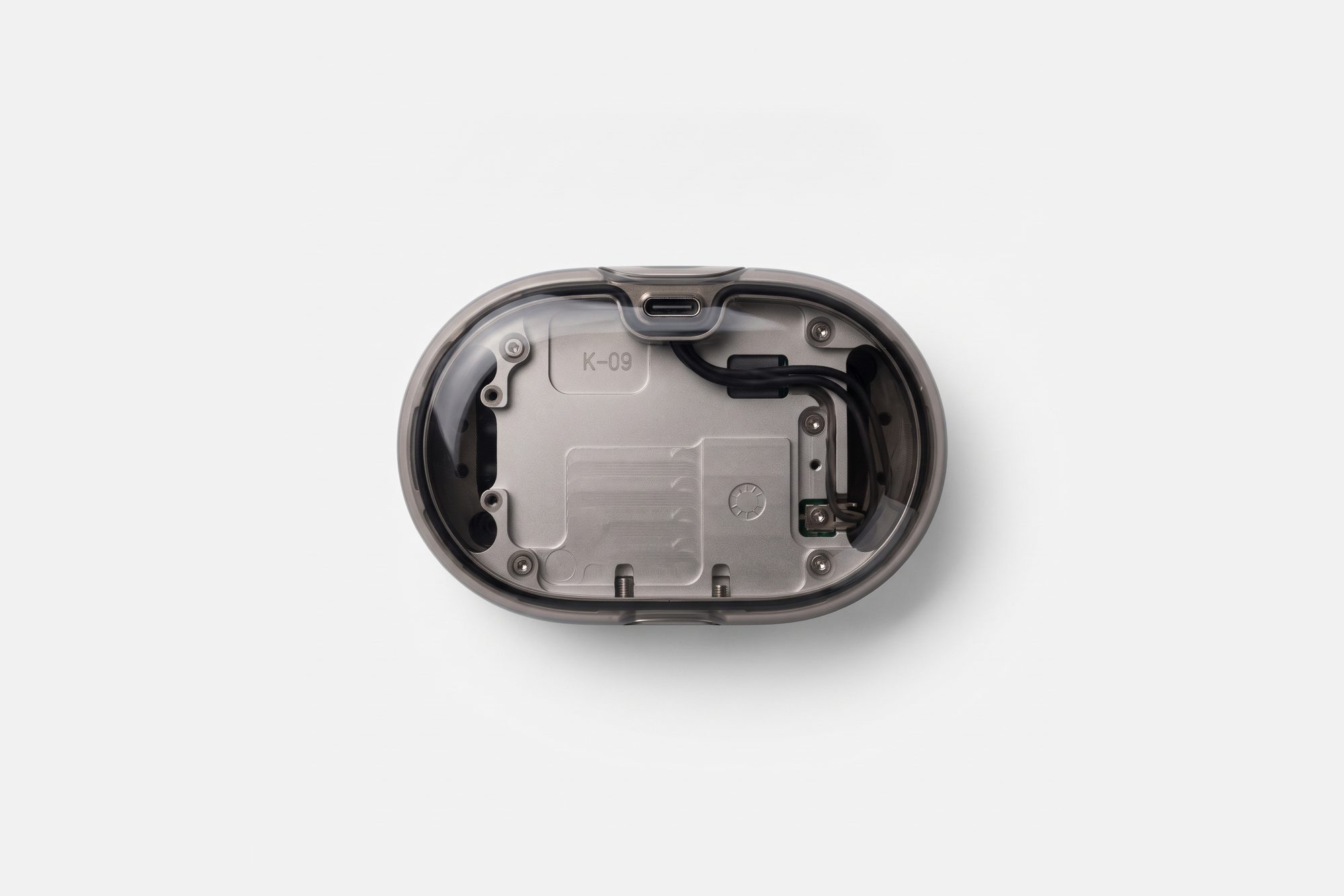
For years, products were designed to be assembled once and never opened. Glue, snap fits with no release, batteries soldered in. That is changing, partly because European rules on repairability and batteries are tightening, and partly because customers have started to ask. This article is about what repairability does to a design and to a budget.
What it changes
Fasteners instead of adhesive. Screws and releasable snap fits replace glue where a part may need to come off. Screws add a part and an assembly step; releasable snaps add tooling complexity. Both add a little cost per unit.
A battery you can reach. The battery is the most common failure in an electronic product and the one most worth replacing. Reaching it with a standard tool, without damaging a seal, shapes the whole enclosure. It is much easier to design in than to add.
Modules. The parts most likely to fail or wear, a display, a connector, a mechanism, are designed as sub-assemblies that can be swapped. This is good for repair and, usually, good for assembly and testing too.
Sealing that survives opening. A gasket that can be reused, or a seal that can be replaced without special tools. For products with an IP rating this is the hardest part of repairable design.
Documentation. A repair that only the factory can do is not a repair. Exploded views, part numbers and a procedure become deliverables.
What it costs
In our experience the unit cost increase is small when repairability is designed in from the start: a few fasteners, a slightly larger enclosure, a replaceable gasket. It is large when added later, because it changes the parting lines and the tooling.
Engineering time goes up modestly. Testing goes up a little, because a product that can be opened has to be shown to be safe when closed again.
Where it pays back
Warranty. Replacing a battery module is cheaper than replacing a product. For products with a long expected life, the saving on returns covers the design cost quickly.
Regulation. Products that cannot be repaired are increasingly difficult to sell in Europe at all. Designing for it now avoids a redesign under a deadline later.
Spare parts as a business. Replacement batteries, filters, straps and tips are revenue, and a product designed for them sells them.
Brand. A product that can be kept is a different promise from one that is thrown away. For the brands we work with, that promise is usually worth more than the few cents per unit.
Where it does not
A product that will be given away in a campaign, or one with an expected life of a season, does not justify the effort. Be honest about the life of the product before specifying the repair strategy.
How we approach it
In discovery, we list the parts most likely to fail and the ones most likely to wear, and we decide which of them the user, a technician and the factory should each be able to replace. That table drives the architecture. Everything after that is detail.