
Colour, material and finish: decide it early or pay for it late
CMF is often treated as the last step. It is a manufacturing decision with tooling, cost and lead-time consequences, and it belongs in the engineering phase.
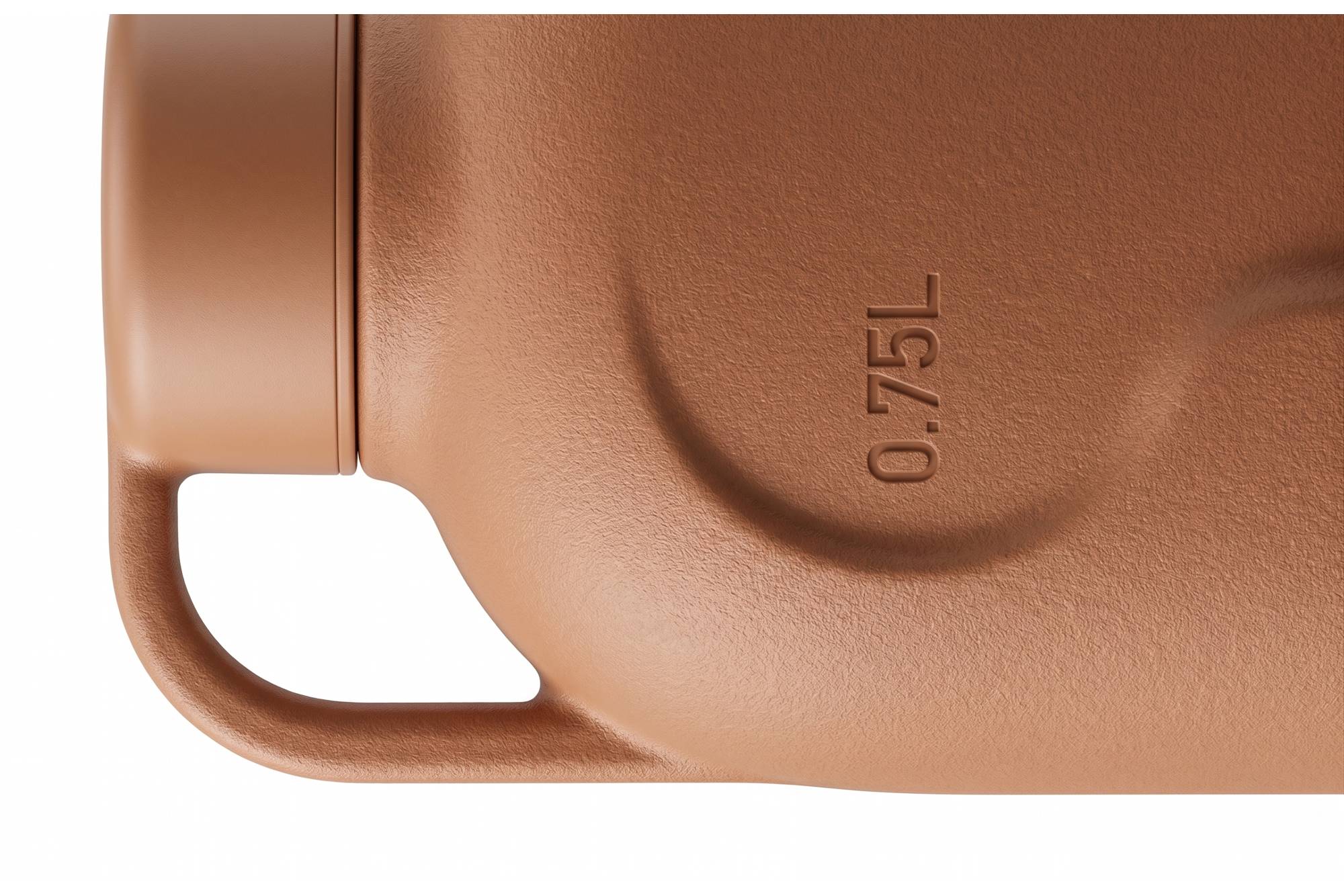
Colour, material and finish (CMF) is sometimes presented as styling applied at the end. In our experience it is one of the most consequential manufacturing decisions in a project, and the later it is made the more it costs.
Why it is a manufacturing decision
Texture is cut into the tool. A moulded texture is etched into the steel. Changing it after the tool is made means re-cutting or replacing the cavity. The texture also sets the minimum draft angle, so it changes the geometry of the part.
Colour sets the resin. A self-coloured plastic part means a resin compounded in that colour, with a minimum order from the compounder, and a colour that will drift slightly between batches. A painted part means a second process, a paint line, masking and a cost per unit. Which one is right depends on volume and on how much colour consistency the brand needs.
Finish sets the supplier. Anodising, PVD, powder coating, soft-touch paint, electroplating: each has a short list of suppliers who do it well, and each has a lead time. A finish that only one plant in the region can apply is a schedule risk.
Materials set the feel and the cost. A lamp base in die-cast zinc feels different in the hand from one in filled polypropylene, and it costs several times more. Neither is wrong. The choice has to be made with the price target in view.
When to decide
We bring CMF into the discovery sprint as a hypothesis and fix it during engineering, before tooling starts. The palette for the Anex iQ Stroller was chosen as one family of frame finish, fabric colours and hardware, so that each colourway reads as a single object. That was possible because the decisions were made while the frame sections were still being designed, not after.
How to decide
- Start from what the product has to survive. Dishwasher, autoclave, sunlight, sweat, keys in a pocket. This removes half the options.
- Build a physical palette. Real plaques of real materials with real finishes, not renders. We send them to the client and ask them to live with them for a week.
- Price each option at the planned volume. A soft-touch coating that is affordable at fifty thousand units may not be at two thousand.
- Test the finish with the abuse it will get. Scratch, rub, UV, chemicals, whichever apply. The results surprise everyone at least once per project.
- Sign a reference sample. One plaque per finish, signed by both sides, kept at the factory for inspection.
The common mistakes
- Choosing a colour from a screen and discovering it needs a paint process the budget did not include.
- Specifying a texture without checking the draft angles it requires.
- Changing the palette after tooling, which usually means repainting parts that were designed to be self-coloured.
- Treating "matte black" as a specification. There are dozens of matte blacks. Which one, on which material, with which gloss level?
CMF is where industrial design and manufacturing meet most directly. Decide it with the engineers in the room, and decide it early.